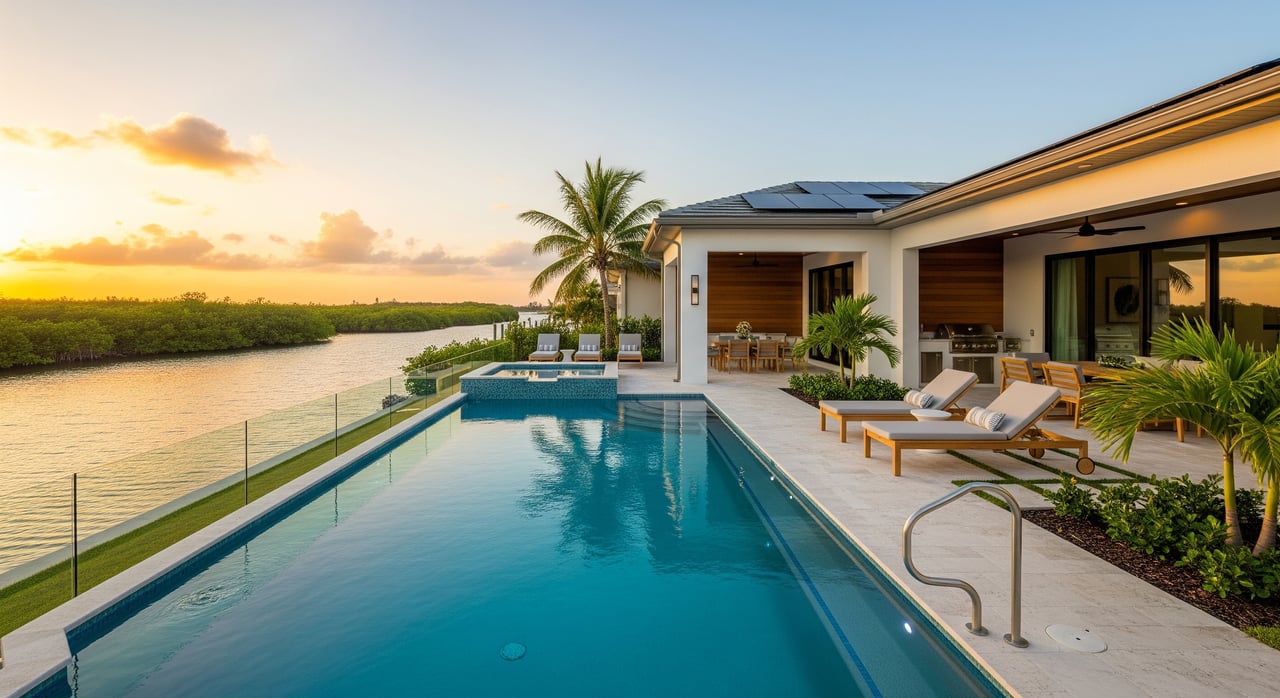
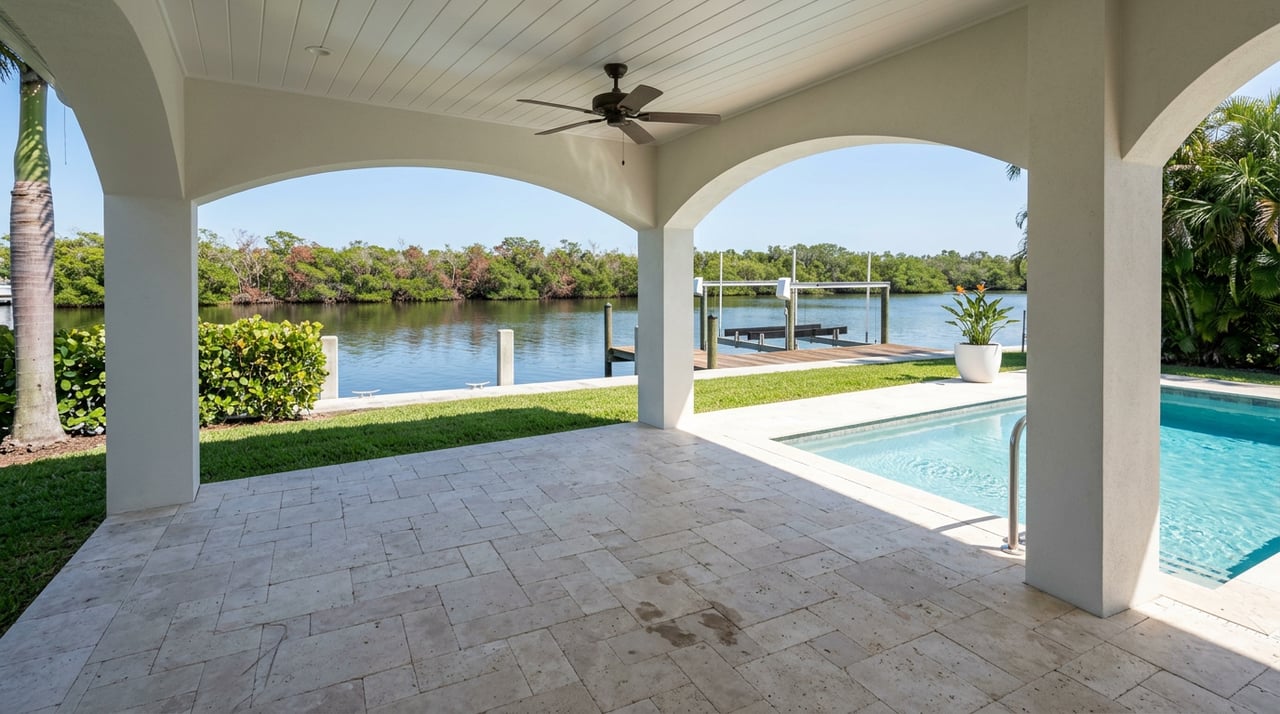
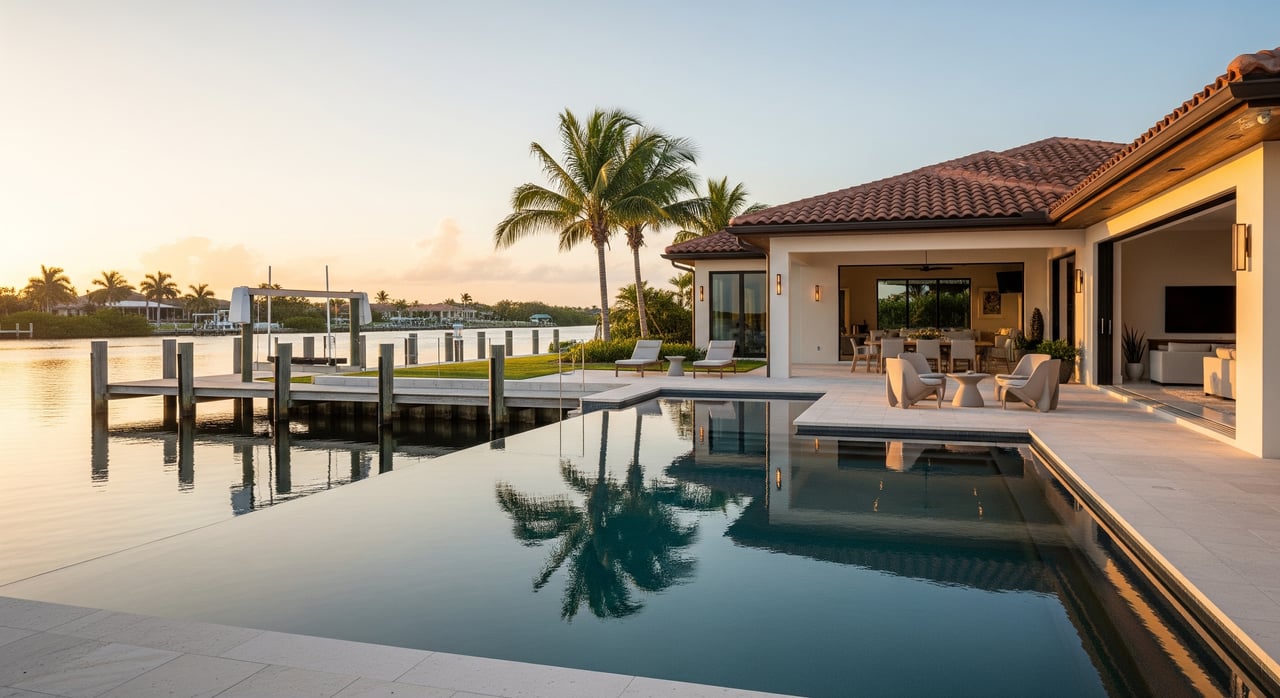
Thinking about buying a pool home in Palm Bay? Long sunny seasons make a backyard pool tempting, but you also take on real costs, safety responsibilities, and hurricane prep. If you understand the true budget, upkeep, insurance, and resale impact, you can enjoy the lifestyle with fewer surprises. This guide breaks down what to expect in Palm Bay so you can decide with confidence. Let’s dive in.
Why pool homes fit Palm Bay
Palm Bay’s warm, humid subtropical climate supports a long swimming season. You will likely use a pool often, which is a major lifestyle benefit. The same climate can increase wear, chemical demand, and algae growth, so consistent maintenance matters.
Hurricane and tropical storm exposure is part of life on the Space Coast. High winds and debris can damage equipment, screens, and pool finishes. Plan for routine care and storm readiness from day one.
Buyer preferences vary. Many Florida buyers value pools for year-round recreation and outdoor living. Others, including some first-time buyers or those concerned about liability and maintenance, may see a pool as a negative. In Palm Bay, neighborhood norms and comparable sales shape resale appeal, so context is key.
What a pool really costs
Pool costs fall into three buckets: upfront installation, ongoing annual costs, and periodic big-ticket items. Exact amounts vary by pool type, size, equipment, site conditions, and local labor. Always request multiple itemized quotes from licensed local pros.
Upfront installation costs
- Pool types influence price and maintenance:
- Vinyl-lined inground pools usually cost less upfront but need liner replacements over time.
- Fiberglass shells often install faster with lower short-term maintenance.
- Gunite or shotcrete concrete pools allow custom shapes and are durable, usually at a higher initial cost.
- Additional one-time costs to plan for:
- Permits and inspections through local building departments
- Site prep such as excavation, drainage, and soil remediation
- Pool deck or lanai, fencing or other barrier, and a screening enclosure if desired
- Equipment like pump, filter, heater, lighting, automation, and a salt-chlorination system if chosen
- Landscaping and irrigation adjustments
Ongoing annual costs
- Routine service and cleaning, whether DIY or a weekly or biweekly professional plan
- Chemicals, water treatment, and testing supplies, plus salt cell replacement if you use a salt system
- Electricity to run the pump and heater, which depends on run time and equipment efficiency
- Repairs and parts, including pump, filter, heater, and controls as they age
- Insurance and periodic safety device updates
Planning tip: a modest-maintenance pool typically falls in the lower thousands per year. Older or higher-use pools can cost more. In Palm Bay, ask for recent contractor quotes to match your pool type and size.
Periodic and major costs
- Resurfacing for plaster or pebble finishes generally occurs every 8 to 20 years depending on finish quality and care
- Vinyl liner replacement often falls every 7 to 15 years
- Equipment such as pumps, heaters, automation, and salt systems often require replacement within 5 to 15 years
- Hurricane-related repairs can be budget-impacting events, so set aside reserves
Maintenance and safety essentials
A steady routine keeps water clear, protects equipment, and extends the life of your finish. It also supports safety, which is a top priority for families.
Weekly and monthly upkeep
- Daily to weekly: skim debris, empty baskets, brush surfaces, and vacuum as needed
- Weekly: test pH, free or combined chlorine, alkalinity, and stabilizer if used; clean or backwash filters; run the pump long enough for full turnover
- Monthly: inspect seals, check the chlorinator or salt cell, and deep clean skimmer baskets and the pump strainer
- Annual: service heaters and automation, and consider a professional inspection
Safety layers
- Barriers and gates: most jurisdictions require a pool barrier and self-closing, self-latching gates or a comparable safety system. Confirm City of Palm Bay or Brevard County code requirements and any HOA rules before you buy or install.
- Alarms and covers: door alarms, pool alarms, and safety covers provide additional layers of protection. Families with young children should prioritize childproofing.
- Drain safety: use anti-entrapment drain covers and compliant suction systems. Follow federal and state guidance where applicable.
- Supervision and CPR: active adult supervision is critical. Consider CPR training for household members.
Hurricane readiness for pools
Tropical weather is part of homeownership in Palm Bay. A pre-storm plan reduces damage and speeds recovery.
- Before a storm:
- Secure or store outdoor furniture and equipment
- Protect or turn off electrical controls and automation
- Balance or cover water chemistry to limit post-storm algae blooms
- Document pre-storm photos of the pool and equipment for insurance
- During preparation, do not drain your pool fully without professional guidance. High groundwater can cause the shell to float and damage the structure.
- After a storm:
- Inspect equipment, screens, and finishes
- Test water thoroughly and rebalance
- Coordinate repairs with licensed pool professionals as needed
Insurance and permits in Palm Bay
Pools can affect your coverage, premiums, and documentation requirements. Plan ahead so there are no surprises during underwriting or claims.
- Homeowners insurance: a pool is often treated as an attractive nuisance, which increases liability exposure. Review your liability limits and consider an umbrella policy if needed. Some insurers require safety features like fencing, self-closing gates, or alarms.
- Windstorm and hurricane coverage: in Florida, windstorm coverage may be separate or part of your policy. Expect higher premiums or special deductibles in hurricane-prone areas.
- Flood insurance: standard homeowners policies do not include flood coverage. Pools do not change flood insurance requirements. Check FEMA flood maps and consult the National Flood Insurance Program or a private provider if the home is in a flood zone.
- Documentation: insurers may ask for evidence of maintenance and code compliance, such as permits and repair records.
When buying, verify that the pool and major repairs were permitted and inspected by the City of Palm Bay or Brevard County. Unpermitted work can cause closing delays if flagged by lenders or title underwriters.
Resale impact in the Palm Bay market
A pool often adds appeal in Florida, especially in neighborhoods where outdoor living is a norm. That said, a pool is not universally positive. Some buyers discount for upkeep or liability, and others prefer larger yards with no pool.
You gain the most resale advantage when the pool is visually attractive, well maintained, energy efficient, and paired with outdoor features like a lanai or deck. Keep clear maintenance records and proof of permits to build buyer confidence.
What to document for buyers
- Service logs, equipment manuals, and warranty information
- Dates for resurfacing or liner replacement and any recent upgrades such as a variable-speed pump, efficient heater, automation, or a salt system
- Copies of permits and final inspections for installation and major repairs
- Clear photos of the pool, equipment, and enclosure, along with disclosures of any known issues
Staging tips before listing
- Fix visible defects such as cracked coping, broken tiles, cloudy water, or inoperable lights
- Consider energy and aesthetic updates such as LED lighting, a variable-speed pump, and a clean, well-maintained deck and enclosure
- Confirm barrier compliance and gate function, and keep inspection-ready paperwork organized
Buyer checklist for pool homes
As you tour Palm Bay pool homes, use a structured checklist to avoid surprises after closing.
Questions to ask the seller
- How old is the pool, and when was the last resurfacing or liner replacement
- What are the ages and models of the pump, filter, heater, automation, and salt system if present
- What repairs have been done recently, and has the pool ever leaked or had structural work
- Can you provide permits and final inspections for installation and major repairs
- What are typical monthly or annual costs for water, power, chemicals, and service contracts
- Has the pool had hurricane or storm damage, and what repairs were completed
What to include in your inspection
- Shell, liner, or finish: look for cracks, delamination, or surface concerns
- Equipment: operate pumps, filter, valves, heater, and automation, and confirm proper electrical connections and GFCI protection
- Circulation and turnover: verify adequate flow
- Decking, coping, screens, and enclosure condition
- Safety features: fencing, latches, door alarms, pool alarms, and covers
- Evidence of past patching or uneven settlement
- Pressure or leak testing if leaks are suspected
Who to hire
- A certified pool inspector or technician for the pool system
- A licensed general contractor or structural engineer if you see signs of structural failure
- A licensed electrician or heater specialist for equipment and electrical issues
Budgeting and financing tips
A clear plan protects your budget and supports long-term enjoyment of your pool.
- If installing, get multiple itemized quotes that break out shell, equipment, deck, and permits
- If buying, factor near-term capital needs into your offer, such as a resurfacing that may be due within a few years
- Consider energy-saving upgrades to reduce operating costs, including variable-speed pumps, LED lights, efficient heaters such as heat pumps or solar, and appropriate covers
- Explore financing options that fit your situation, such as home equity, renovation loans, or contractor financing, and understand appraisal and permitting requirements
Your next steps
A pool home in Palm Bay can be a great fit if you budget for both routine care and long-term investments, stay on top of safety, and plan for storms. Verify permits and maintenance records, get professional inspections, and confirm insurance early. With the right preparation, you can enjoy outdoor living and protect your investment.
When you are ready to explore pool homes or list yours, connect with a local guide who blends neighborhood insight with construction literacy and a clear process. Reach out to The Flamm Team for friendly, expert help from search to closing.
FAQs
Are pool homes worth more in Palm Bay resale markets
- In many Palm Bay neighborhoods, a well-maintained, attractive pool adds appeal, but the net value depends on neighborhood norms, condition, and buyer preferences.
How much does a typical pool cost to maintain each year
- Plan for costs in the lower thousands annually for a modest-maintenance pool, with higher totals for older systems or heavier use.
What safety features are usually required for pools in Palm Bay
- Most jurisdictions require a barrier and self-closing, self-latching gates or similar protection, so confirm specific City of Palm Bay or Brevard County codes.
Does a pool increase homeowners insurance in Florida
- A pool increases liability exposure and can affect premiums, and many insurers require safety measures such as fencing, gates, or alarms.
Should I drain my pool before a hurricane in Palm Bay
- Do not fully drain a pool before a storm without professional guidance, since high groundwater can cause the shell to float and damage the structure.
What records should I request when buying a pool home
- Ask for permits, inspection finals, service logs, resurfacing or liner dates, equipment ages, repair history, and any hurricane damage documentation.